MEA for Air Force Readiness
Edge AI for perimeter awareness, predictive maintenance, PPE safety, and legacy equipment digitization — processed locally, on base, with no dependency on cloud connectivity.
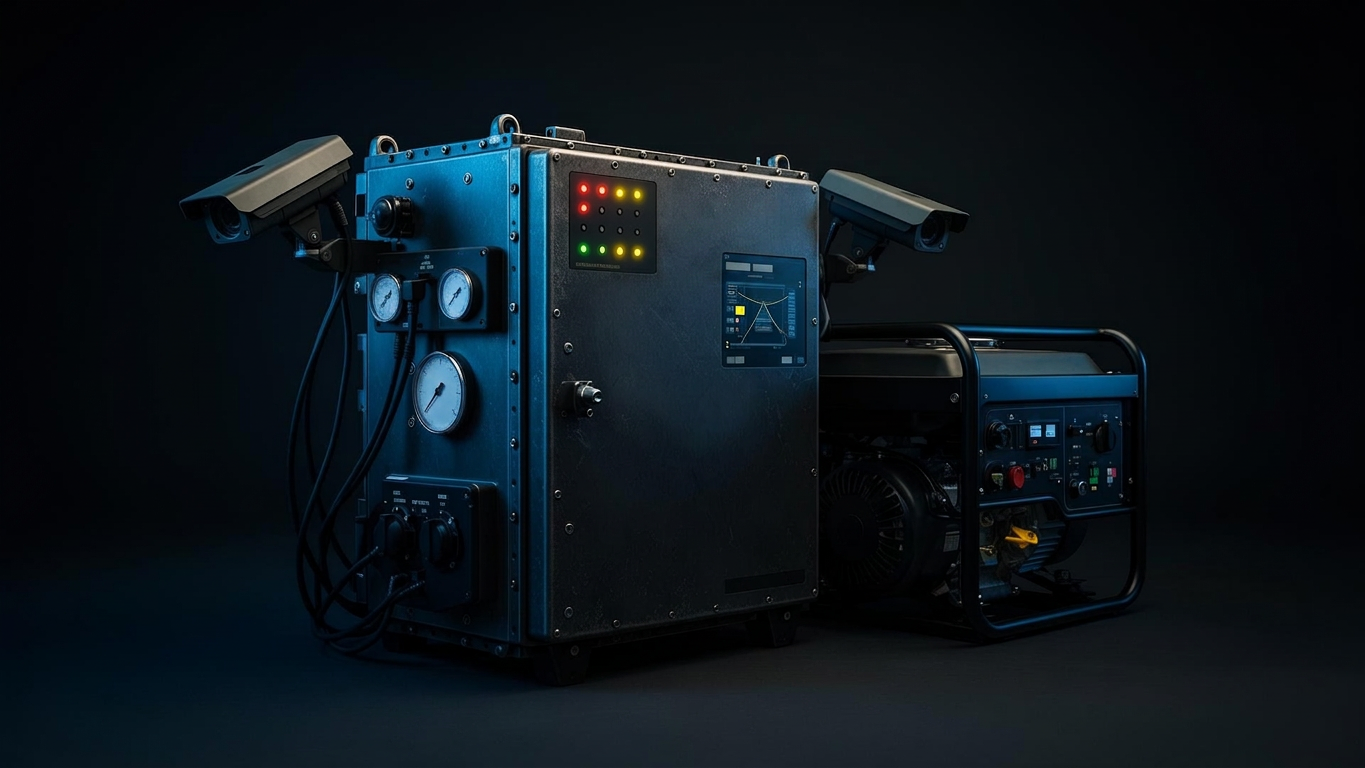
Why MEA for Air Force environments
Air bases and support environments combine modern systems with legacy equipment. Many operational risks remain visible through cameras, gauges, lights, meters, panels, and human activity patterns. MEA converts these visual and sensor signals into structured digital events — without replacing what already works.
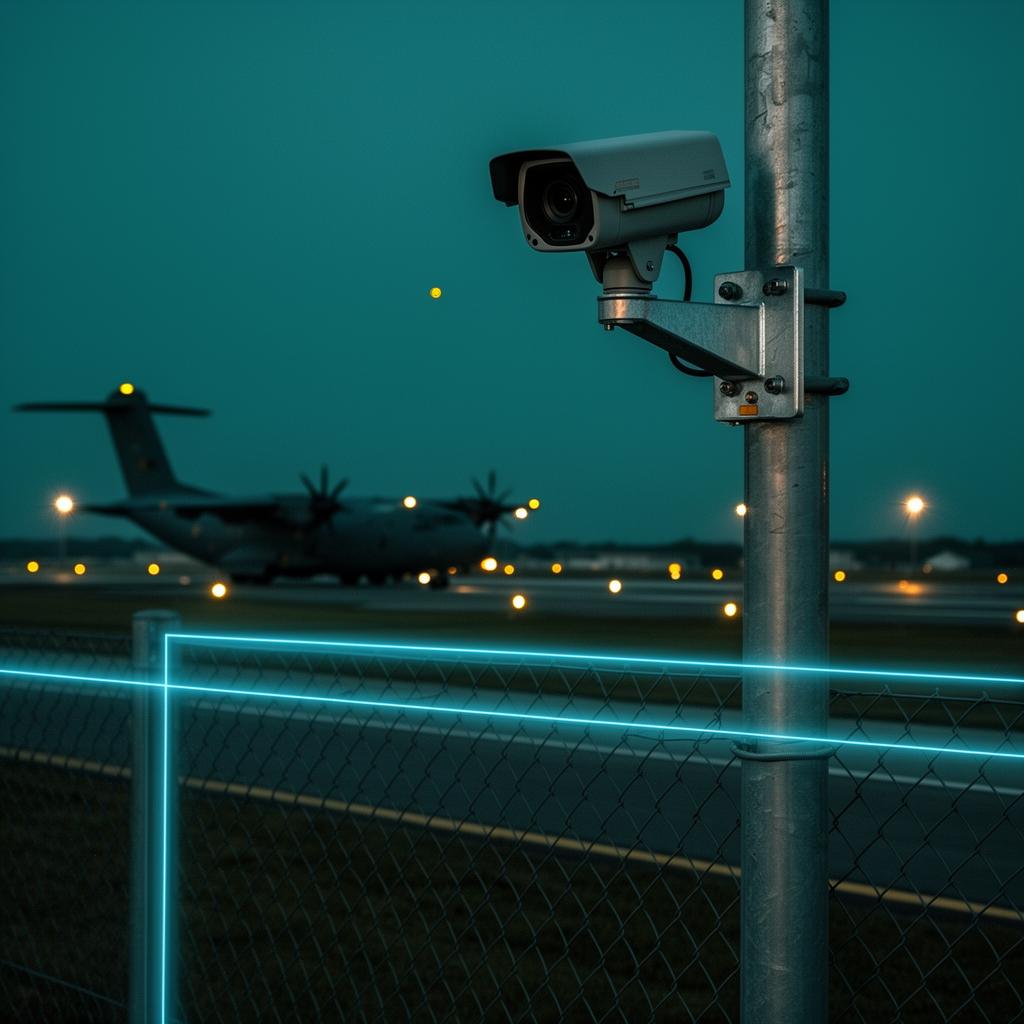
Airfield & Base Perimeter Scanning
MEA monitors fence lines, restricted zones, hangars, ramps, fuel areas, and remote perimeters using fixed cameras, mobile cameras, or drone feeds.
- People near restricted zones
- Animals near airfield perimeter
- Unauthorized vehicles
- Fence-line movement
- After-hours activity
- Zone breaches
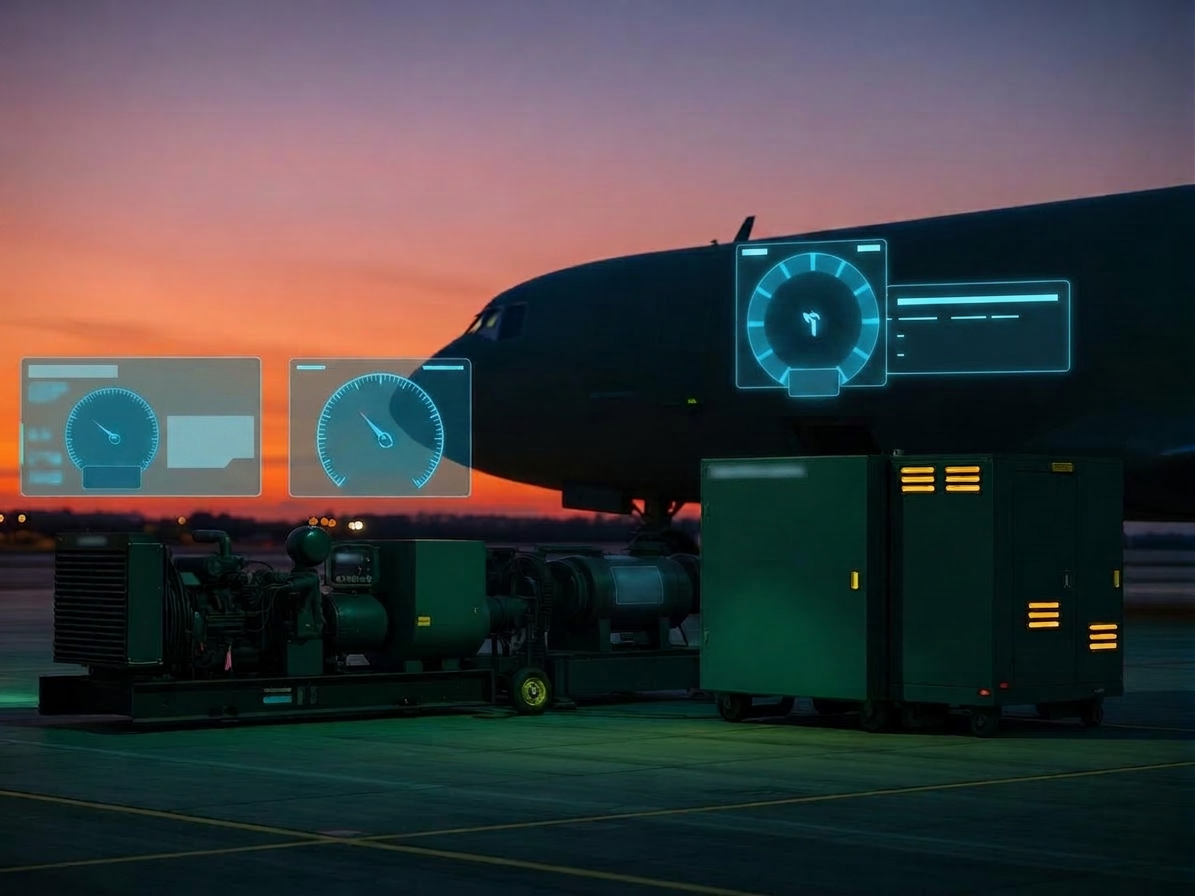
Predictive Maintenance for Ground Support Equipment
MEA connects to cameras, sensors, and analog/digital ingress modules to monitor generators, compressors, pumps, HVAC, fuel equipment, power systems, and ground support assets.
- Abnormal readings
- Equipment degradation
- Runtime anomalies
- Warning lights
- Temperature / pressure / voltage changes
- Maintenance risk patterns
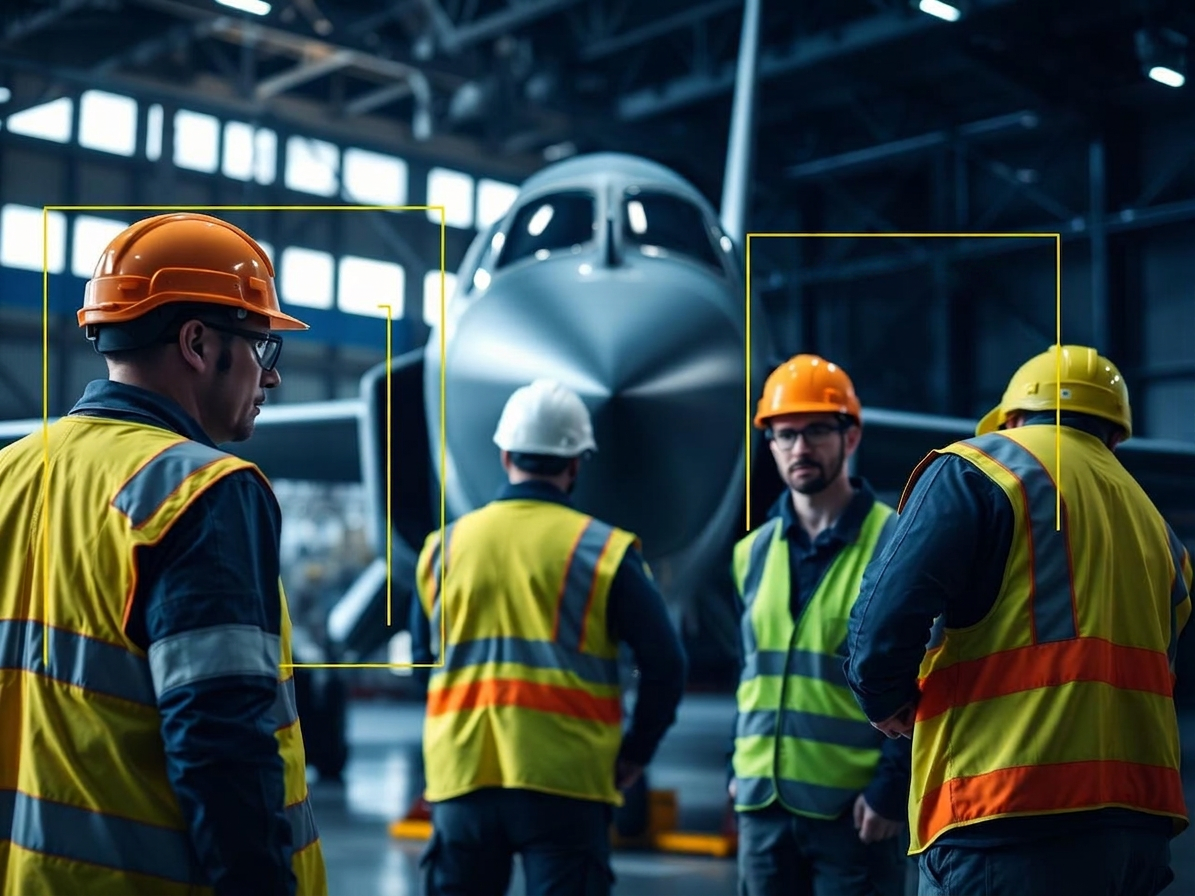
PPE and Safety Compliance
MEA monitors maintenance zones, hangars, fuel areas, workshops, and flight-line support areas for PPE and safety conditions.
- Missing high-visibility vest
- Missing helmet or safety glasses
- Restricted-zone entry
- Unsafe proximity to equipment
- Person-down events
- Unusual activity in controlled areas
Bring 1980s equipment into a modern predictive maintenance network.
Many defence environments still rely on reliable but older generators, meters, pumps, gauges, and control panels. MEA visually reads analog dials, needle gauges, seven-segment displays, indicator lights, and switch positions using camera-based AI — a non-invasive path to digitize legacy equipment without replacing or rewiring it.
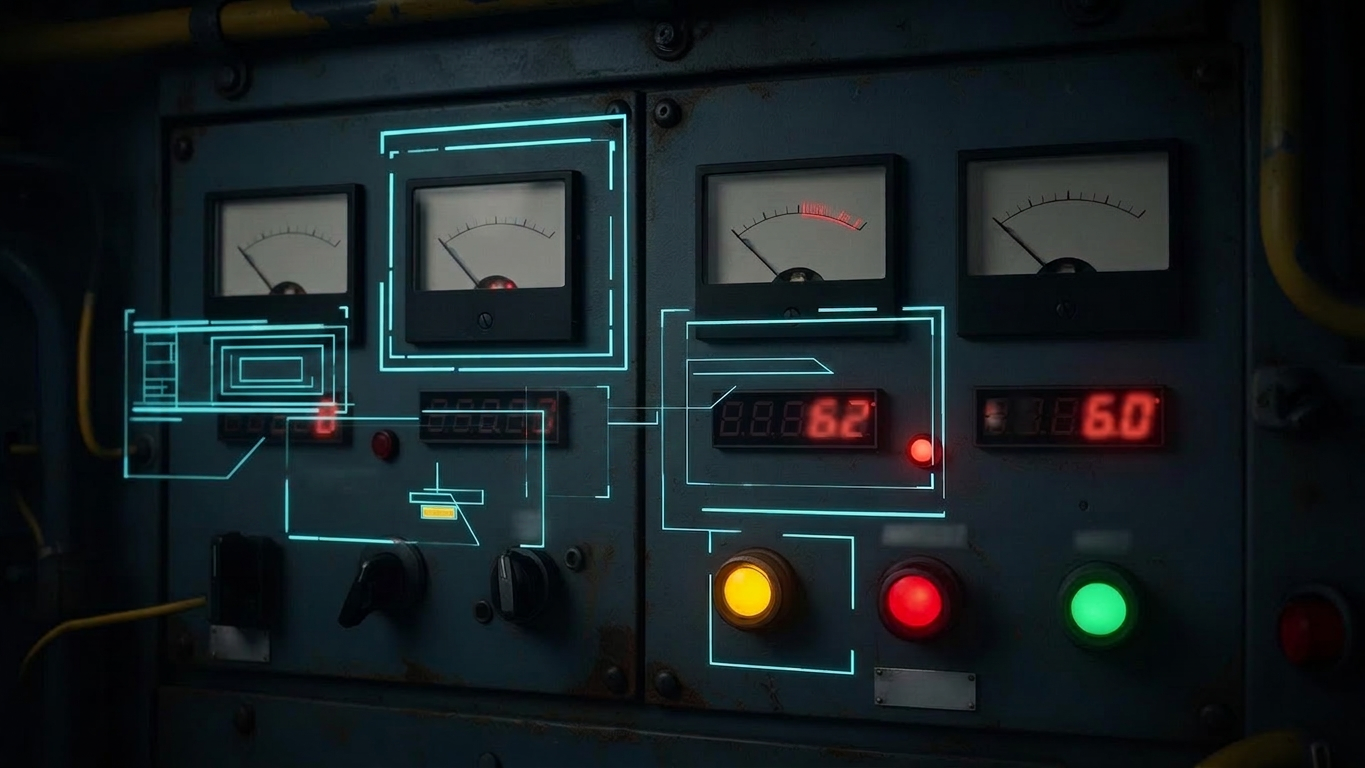
“If a generator's oil pressure needle drops or a warning light changes state, MEA detects the change and sends an alert to the maintenance team before the equipment fails.”
- No invasive integration
- No replacement of legacy equipment
- Rapid pilot deployment
- Visual indicators → structured digital data
- Predictive maintenance for old assets
- Supports digital modernization
MEA architecture
A simple, auditable pipeline from physical signal to operational action.
- · Legacy equipment
- · Cameras
- · Sensors
- · Analog / digital I/O
- · Local inference
- · Event detection
- · On-device storage
- · Event log
- · Dashboard
- · Real-time alerts
- · Maintenance team
- · Command centre
- · Digital twin
Suggested 8–12 week pilot
- Perimeter camera
- Equipment room / generator
- Maintenance area
- Connect to existing cameras where possible
- Add temporary cameras if needed
- Configure analog / digital ingress
- Perimeter events
- PPE events
- Analog gauge readings
- Warning light states
- Alert accuracy
- False positives
- Latency
- Maintenance usefulness
- Operator feedback
Success metrics
Modernize what already exists.
MEA helps Air Force and DRDC teams test practical Edge AI use cases without replacing existing infrastructure. By turning cameras, sensors, gauges, displays, and equipment activity into actionable digital events, MEA can support safer bases, more reliable equipment, and faster operational decisions.
Identify one perimeter, one equipment asset, and one safety zone for pilot testing.